
FOOD & COOKING WITH ROSS
Nutrients
Different foods give your body different nutrients. Eating a variety helps you get what you need.
Food that supports your everyday life
Nutrients are substances your body needs to function. They support energy, growth and repair.
They include carbohydrates, protein, fats, vitamins, minerals and water. Fibre also supports bowel health.
Nutrients come from both plant and animal foods.
Your body uses nutrients when you walk, think, grow and recover. Eating well is about the pattern of foods you enjoy over time.
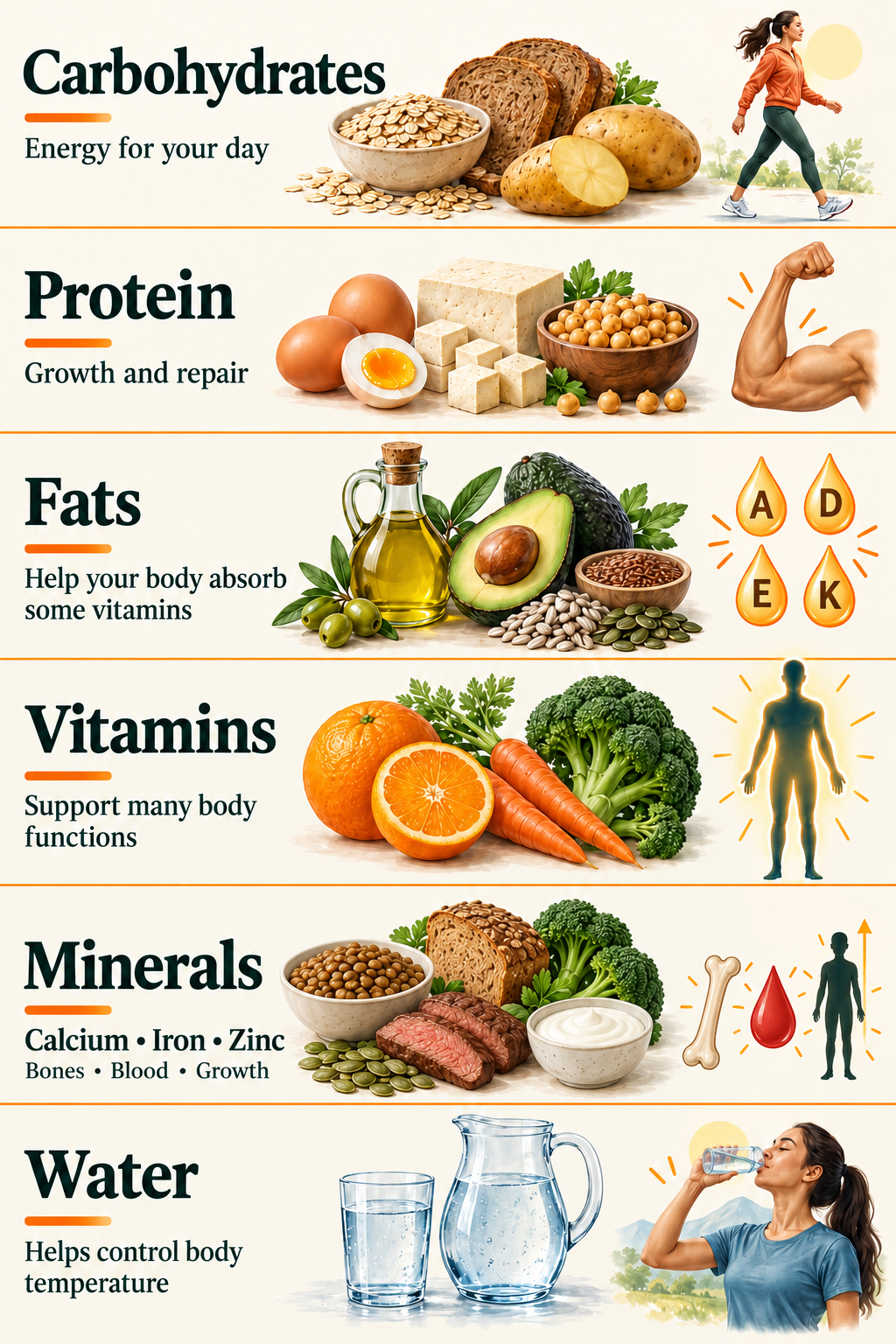
Meet your nutrients!
Different nutrients have different jobs. See how food helps your body every day.
What are minerals?
Minerals are nutrients your body needs in small amounts. Different minerals do different jobs.
- Calcium helps build strong bones and teeth.
- Iron helps your blood carry oxygen around your body.
- Zinc supports growth and your immune system.
Minerals come from many foods, including beans, lentils, meat, wholegrains, nuts, seeds, vegetables and dairy foods. Different foods provide different minerals.
These are examples. Most foods contain more than one nutrient, and your body needs a variety.
Different foods. Different nutrients.
Choose a variety from the five food groups. Each group offers different nutrients.
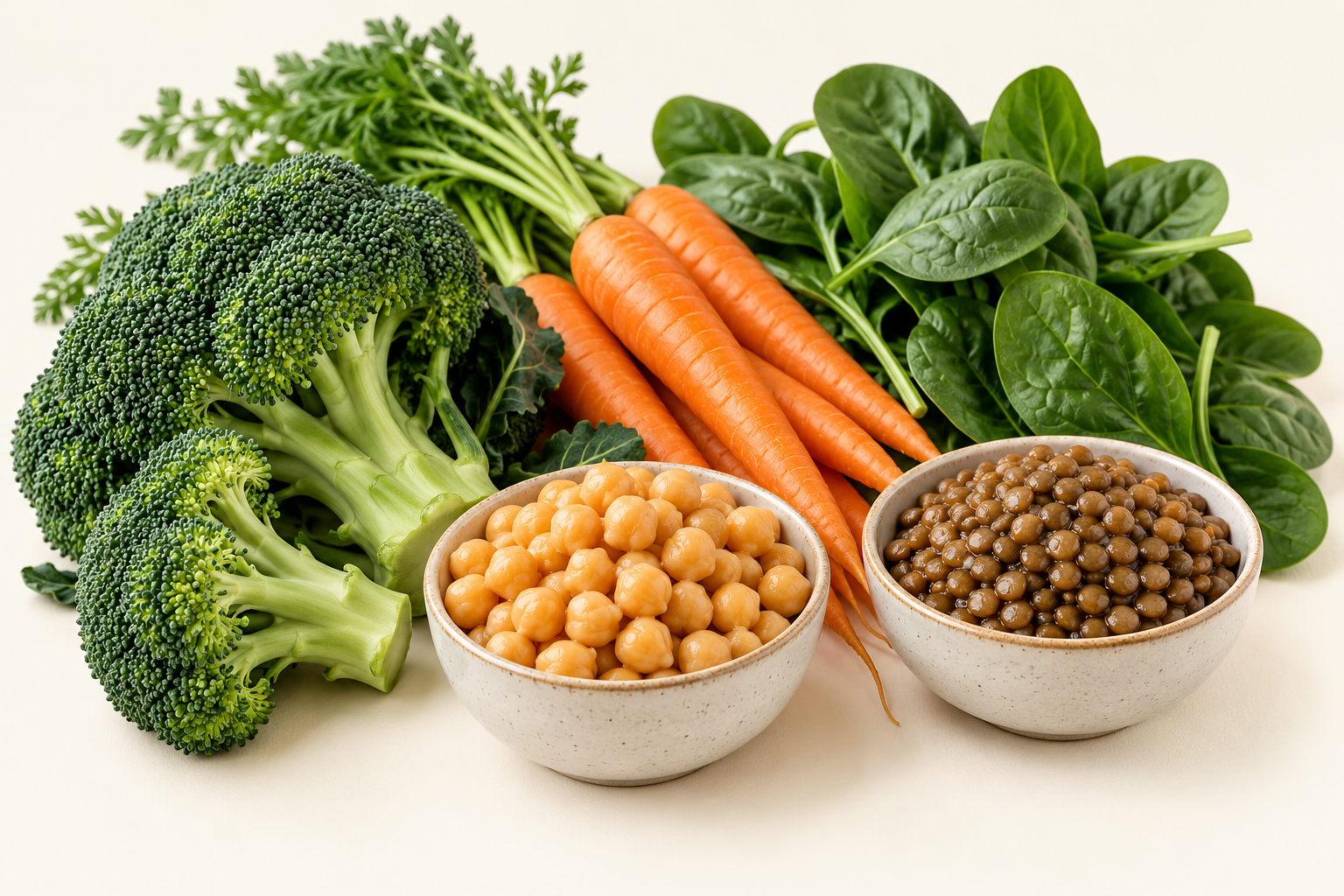
Vegetables & legumes
Try different colours, beans and lentils.
Vegetables and legumes provide fibre and a range of vitamins and minerals. Fibre helps your bowel work well. Add a handful of vegetables to soup, pasta or rice; beans and lentils can also help make meals more filling.
Broccoli, carrots, spinach, chickpeas and lentils.
Fruit
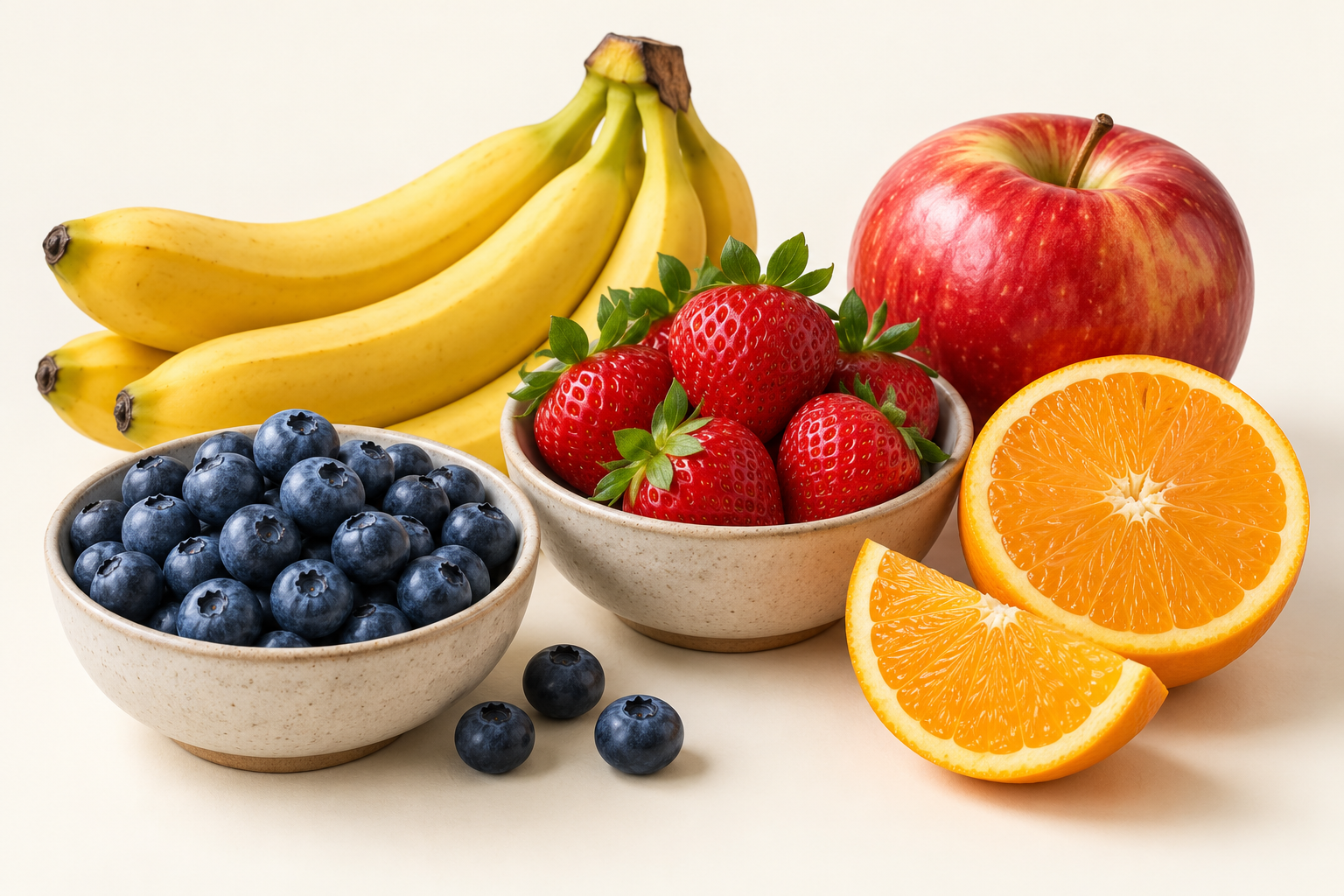
Enjoy a variety of fruit.
Whole fruit brings flavour, fibre and vitamins. Try a piece with breakfast or as a snack. Fresh, frozen and canned fruit can all be useful choices.
Apples, bananas, berries and oranges.
Grain foods
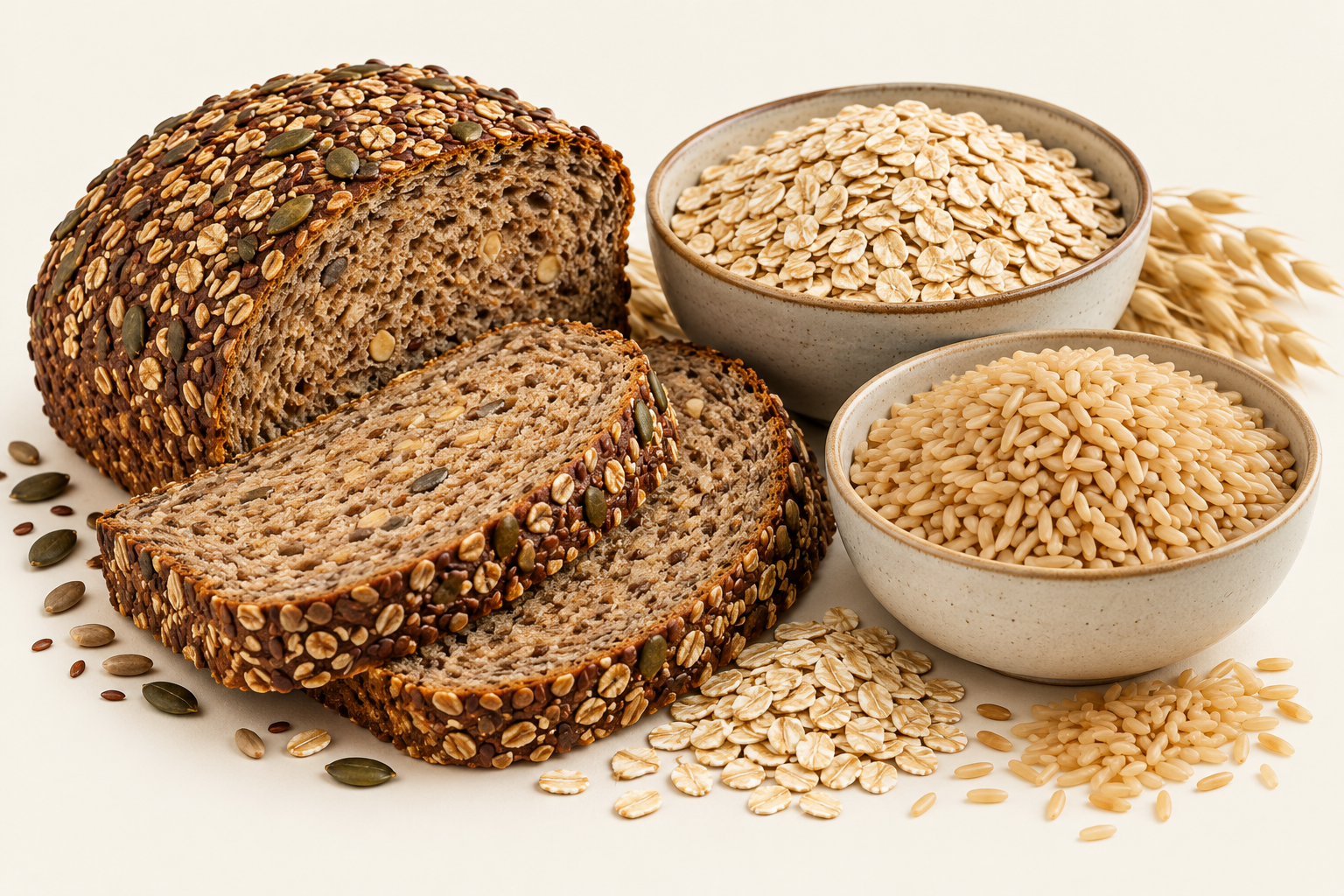
Choose mostly wholegrain or high-fibre foods.
Grain foods supply carbohydrate for energy. Wholegrain choices also provide fibre. Try oats for breakfast, wholegrain toast or brown rice with a meal.
Wholegrain bread, oats and brown rice.
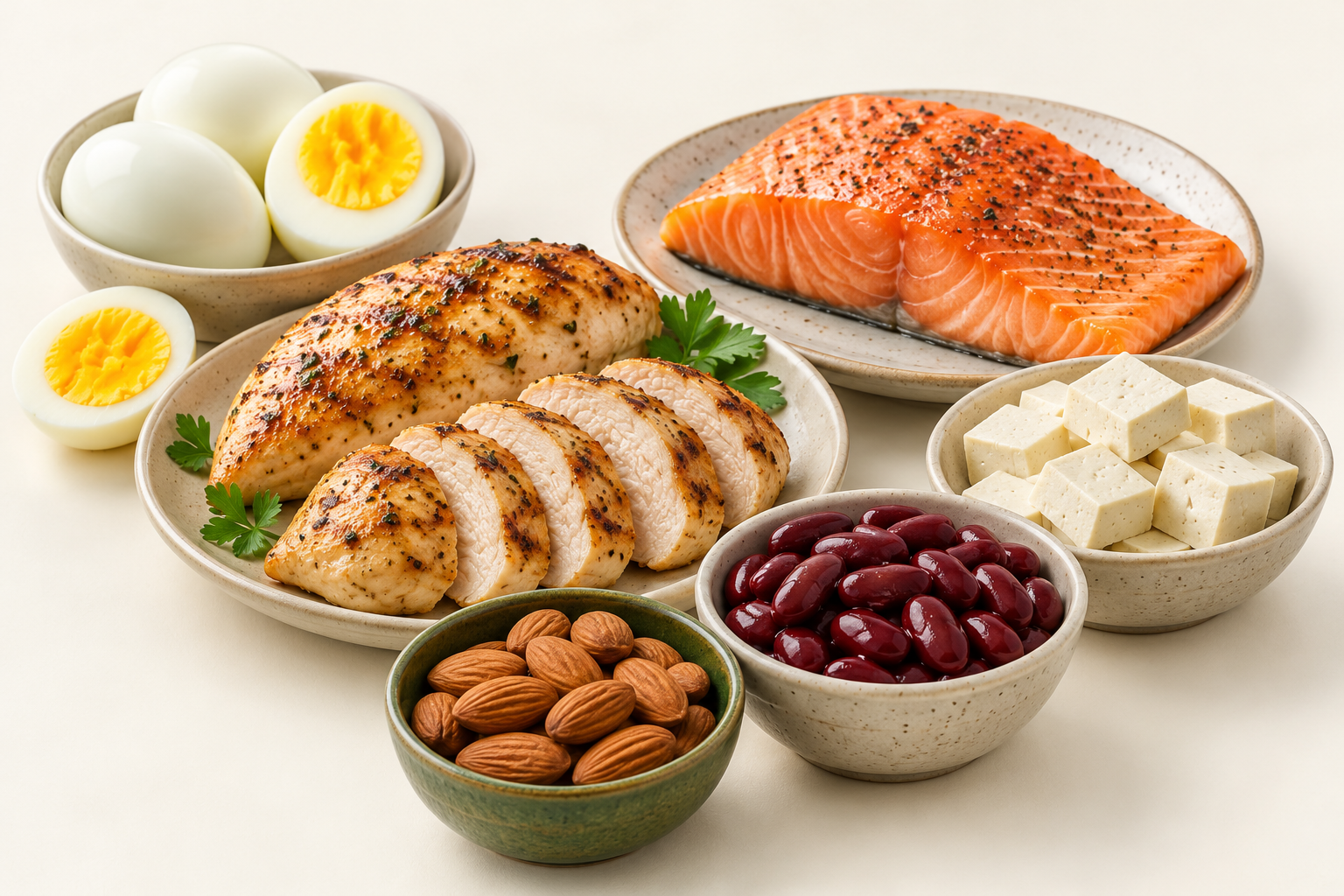
Protein foods
Choose from animal and plant foods.
Protein helps your body grow and repair cells. You can choose animal foods, plant foods or a mixture. Try beans in a salad, tofu with vegetables, or lean meat and poultry in a meal.
Lean meat and poultry, fish, eggs, tofu, beans, nuts and seeds.
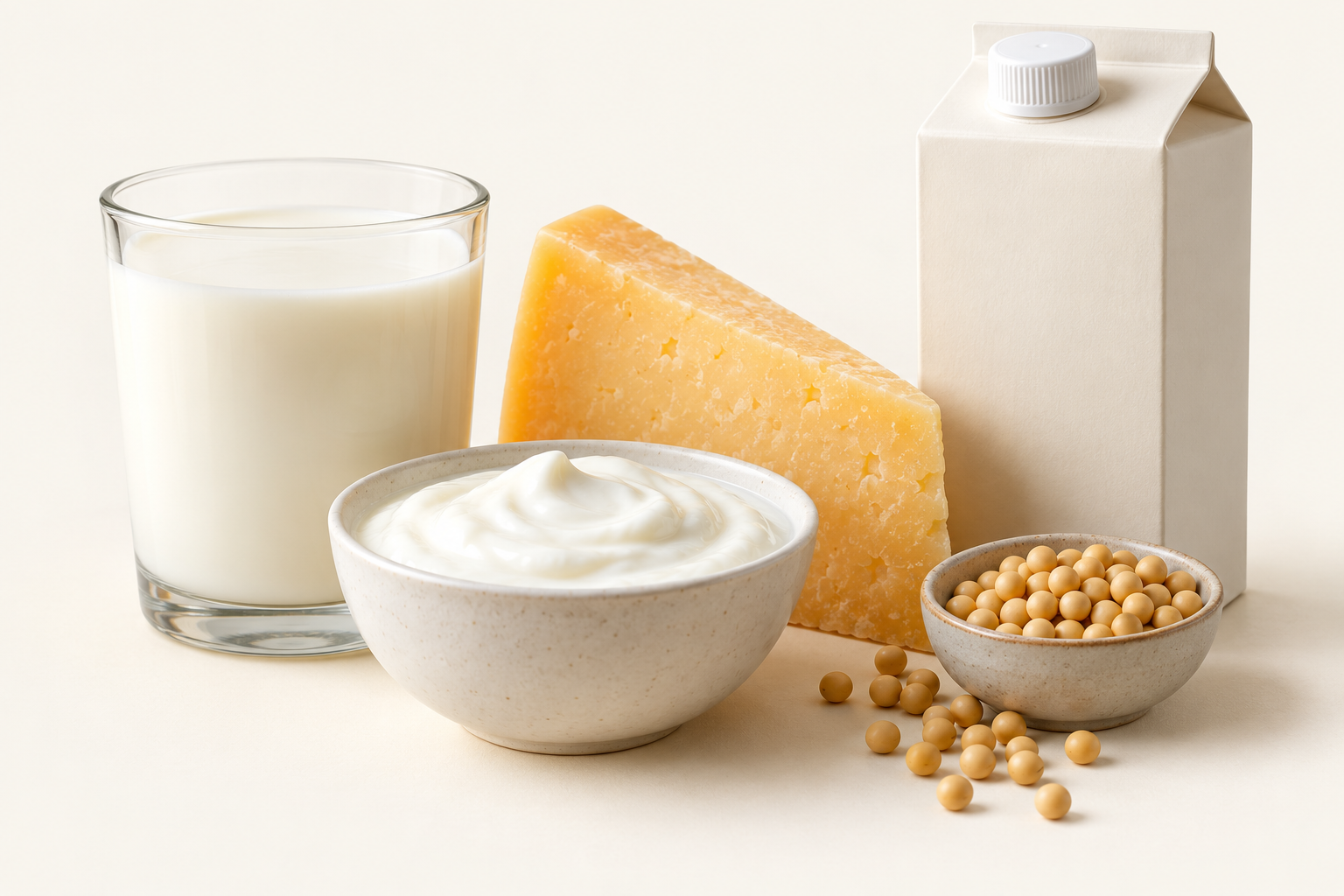
Dairy & alternatives
Choose milk, yoghurt, cheese or suitable alternatives.
These foods can provide calcium for bones and teeth, as well as protein. Plant-based drinks vary: check for added calcium, and ask a dietitian if you need help choosing a suitable alternative.
For plant-based drinks, look for added calcium.
Choose foods that suit your needs, preferences and any allergies.
Good food can be convenient
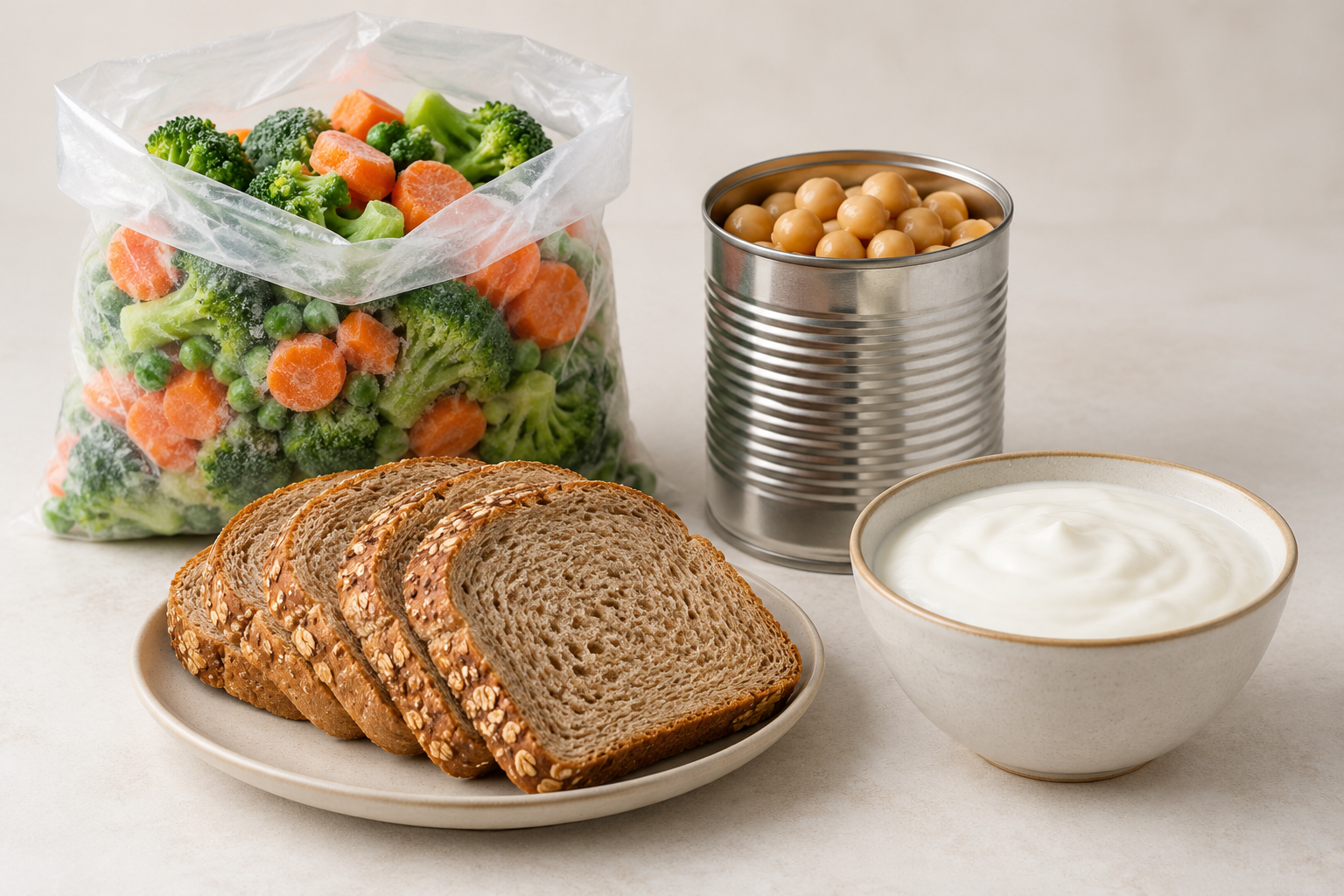
Frozen vegetables, canned beans, wholegrain bread and plain yoghurt can all contribute nutrients.
Processing includes cooking, freezing and canning. It does not automatically make food unhealthy or remove all its nutrients.
For canned beans and vegetables, look for options without added salt where available. For canned fruit, choose fruit in juice rather than syrup.
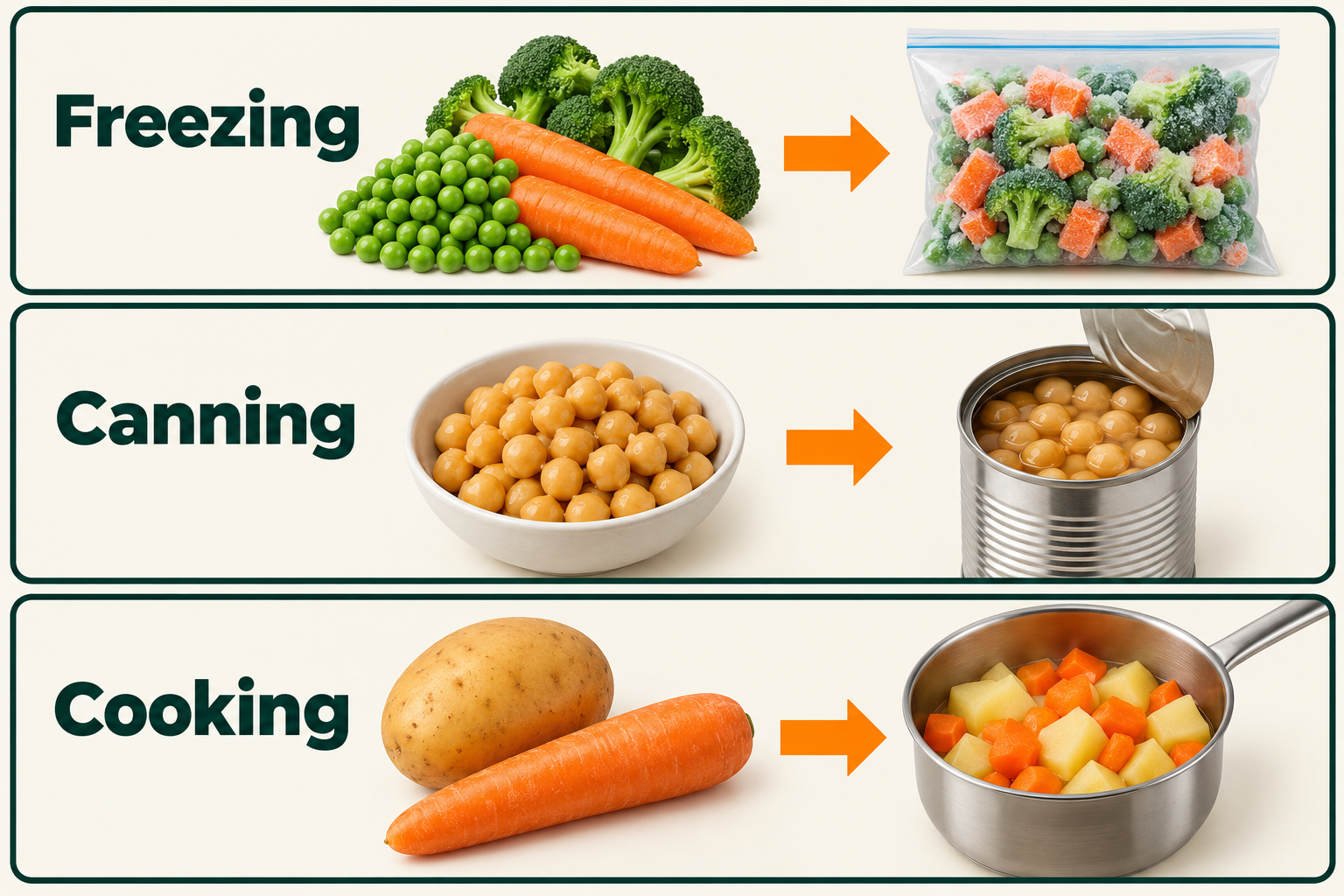
What does processing look like?
Processing means changing food before we eat it. This happens at home and in factories.
Freezing helps vegetables last longer. Canning preserves foods such as beans. Cooking changes raw ingredients into meals.
Processed food can still provide useful nutrients. What matters is the food, what has been added and how often we eat it.
Options for busy days
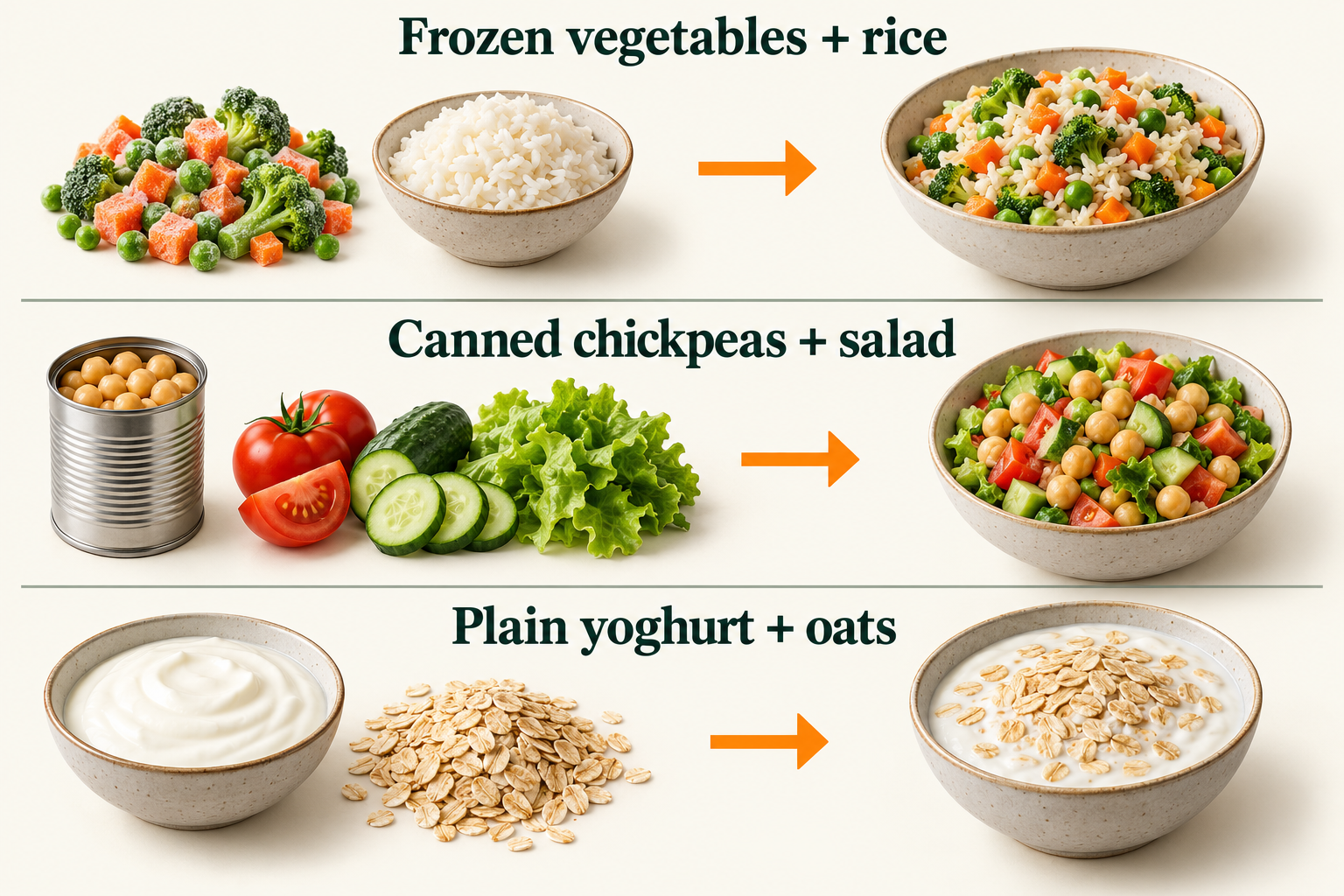
Convenient foods can make cooking easier. Try these simple combinations:
- Frozen vegetables + rice: add vegetables while preparing your rice meal.
- Canned chickpeas + salad: drain the chickpeas and add to your salad.
- Plain yoghurt + oats: combine for a simple breakfast.
Keep a few useful foods in your fridge, freezer and pantry. They can help you prepare a meal when you have less time or energy.
Make an easy meal possible
You do not need to cook everything from scratch. A few useful ingredients can make the next meal easier.
- Freezer: vegetables ready to add to a meal.
- Pantry: canned beans and wholegrain bread.
- Fridge: plain yoghurt for breakfast or a snack.
Choose what you enjoy, can afford and can use. Check storage instructions and use-by dates on the pack.
Foods to have less often
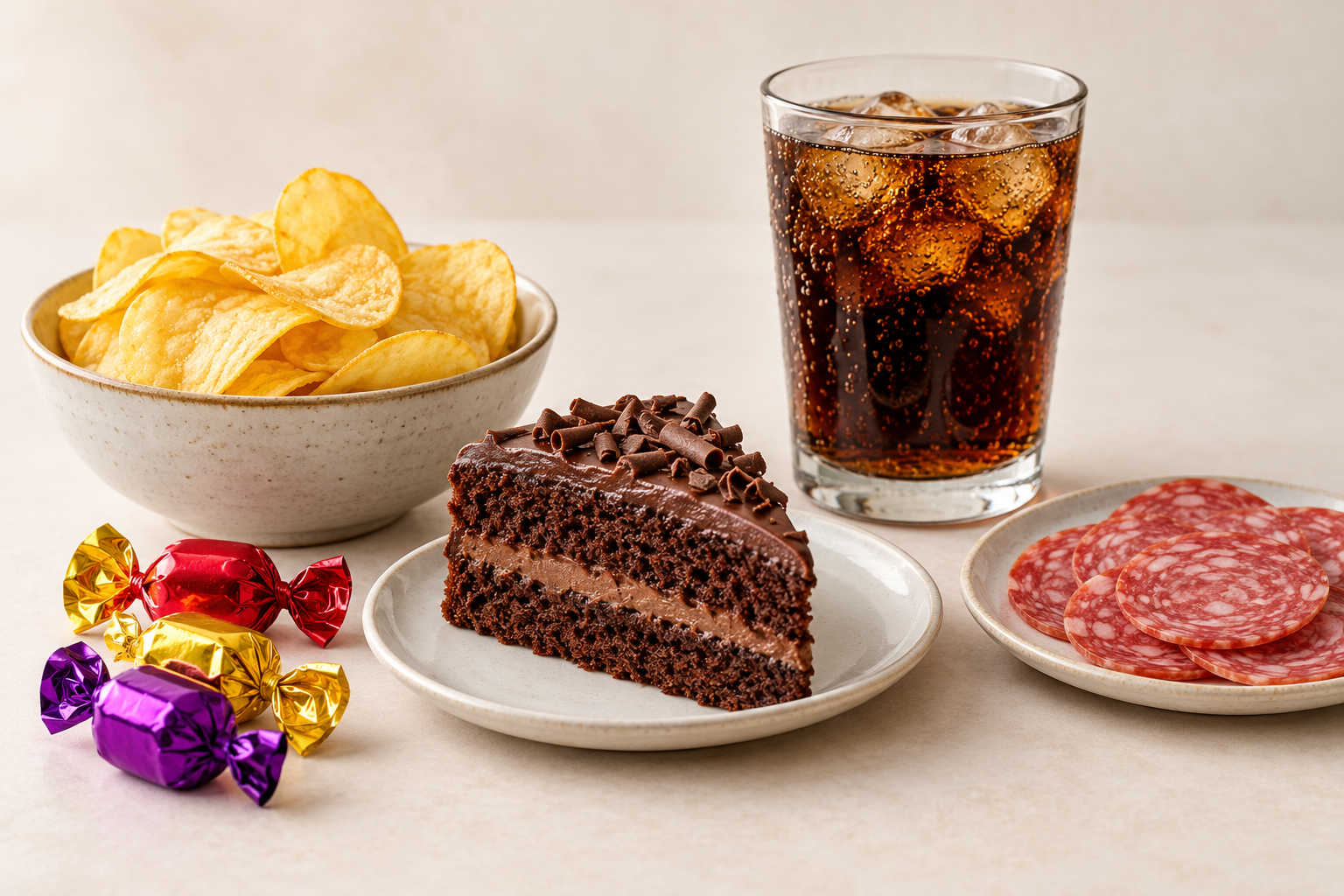
Foods such as lollies, soft drinks, cakes, chips and processed meats are often high in added sugars, salt or saturated fat.
Limit these foods so they do not regularly replace foods from the five food groups. Your overall eating pattern matters.
What about ultra-processed foods?
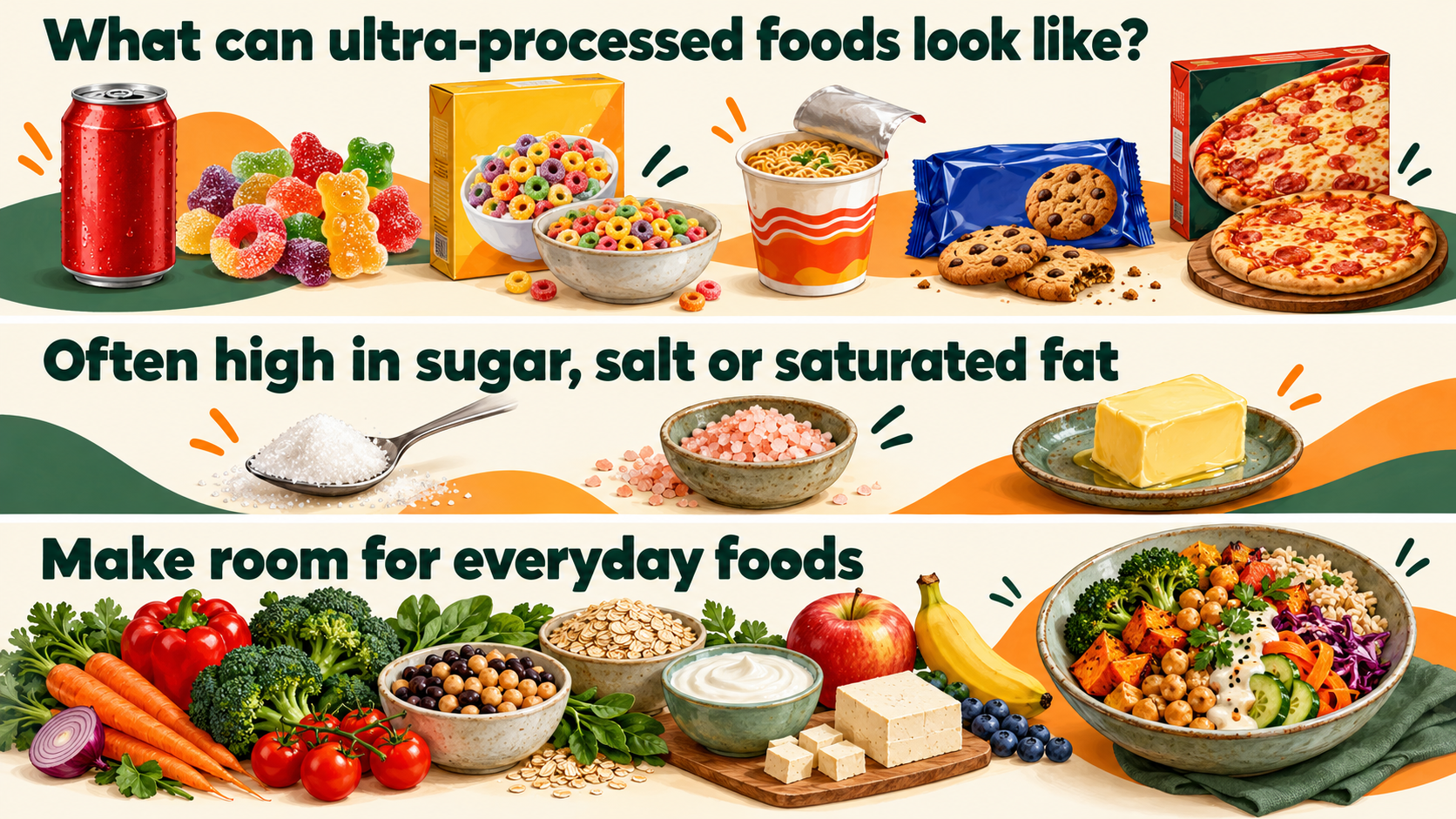
Ultra-processed foods are made using industrial methods and ingredients that are not usually used in home cooking.
Examples include soft drinks, lollies, many packaged biscuits, some sweetened cereals, instant noodles and some ready-made pizzas. Products differ, so look at the ingredients and nutrition information.
Many are high in added sugar, salt or saturated fat. Eating lots of them can push everyday nutritious foods out of your meals.
A packet alone does not tell the whole story. Frozen vegetables, canned beans and plain yoghurt can still be useful everyday foods.
Turn the pack around
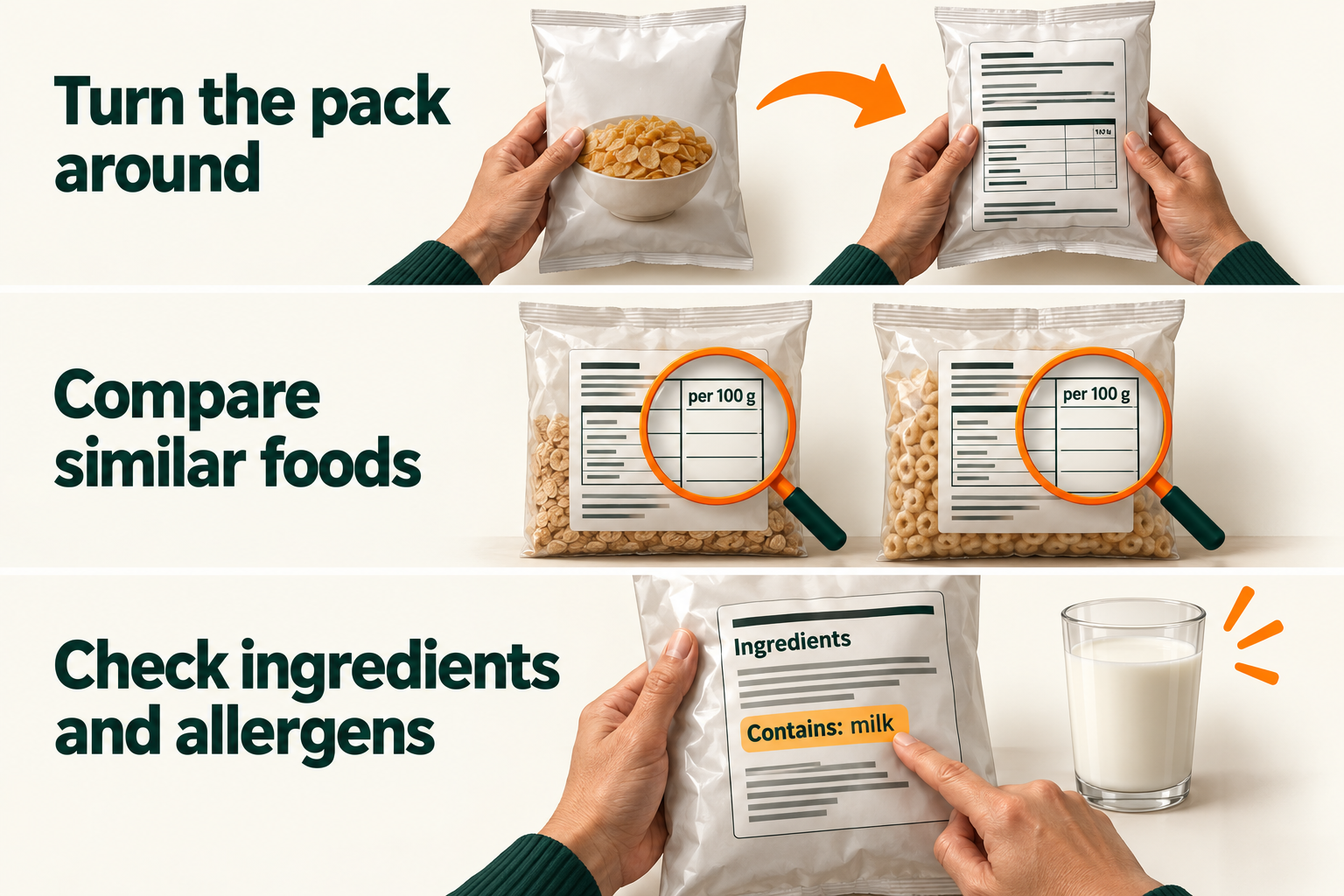
The front of a packet is designed to catch your eye. The back helps you compare what is inside.
- Compare like with like: compare two cereals or two soups using the per 100 g column, or per 100 mL for drinks.
- Check the nutrients: look at saturated fat, sugars and sodium. Sodium is part of salt.
- Read the ingredients: they are listed from the largest amount to the smallest amount by weight when made.
- Check allergens: choose products that suit your needs.
The sugars figure includes both naturally occurring and added sugars. The ingredient list helps you see whether sugar has been added.
What about additives?
Additives may help preserve food or change its colour, texture or flavour. Food Standards Australia New Zealand assesses additives before allowing their use.
An additive name or number does not by itself tell you whether a food is nutritious. Look at the whole food and check any allergies or sensitivities.
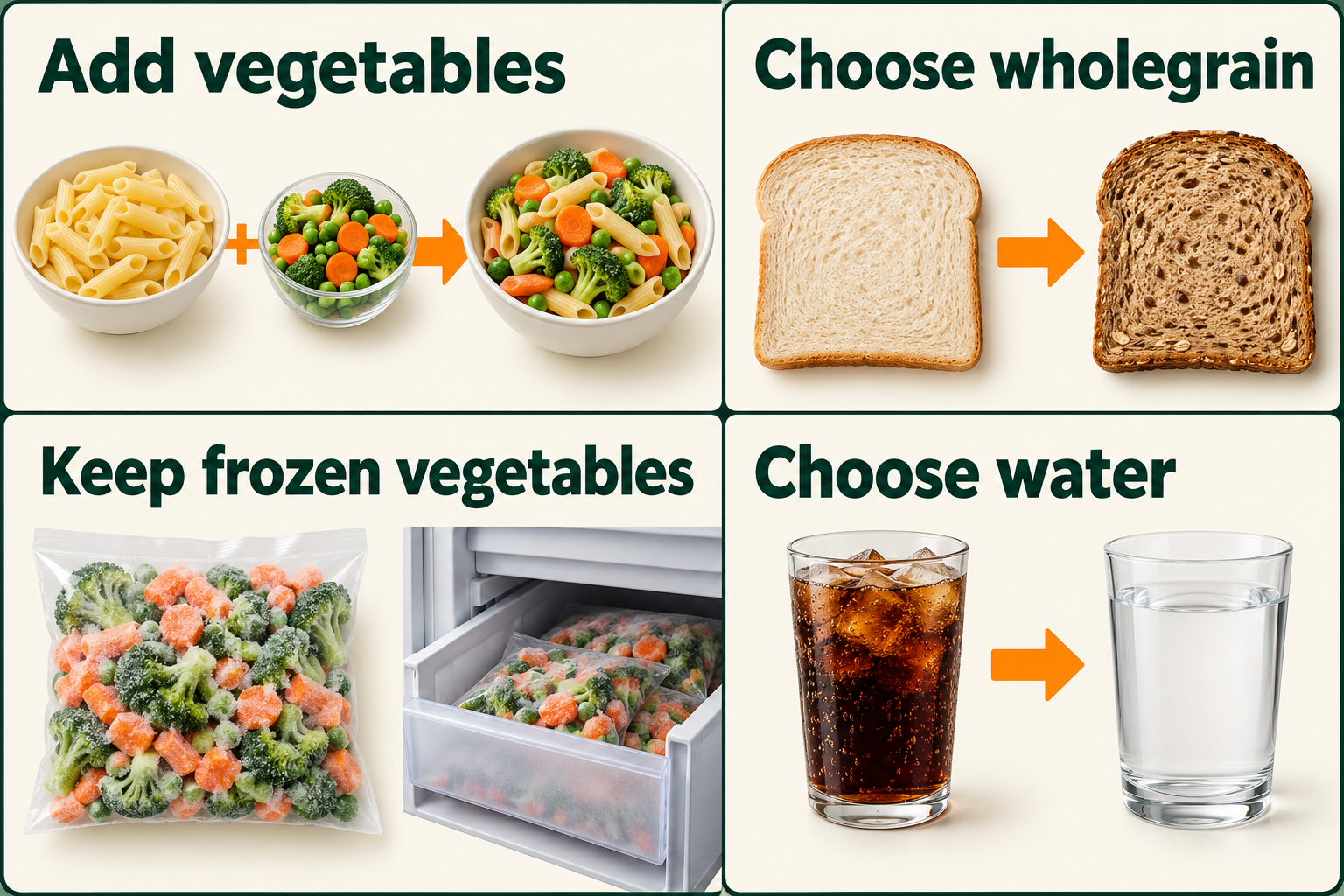
Small changes, your way
- Add vegetables or beans to a meal.
- Choose wholegrain bread or cereal.
- Keep frozen vegetables ready for busy days.
- Choose water as your main drink.
Give a familiar meal a small upgrade
Keep the foods you enjoy and try one change:
- Pasta: add vegetables or beans for more variety and fibre.
- Toast: try wholegrain bread for extra fibre.
- A busy evening: keep frozen vegetables ready to cook.
- A usual soft drink: try water with a meal.
You can start with one change that feels manageable. Build from there, at your own pace.
Ross can help you understand food information and practise everyday cooking skills through Auslan and visual learning.
Sources & further reading
- Eat for Health — The five food groups
- Eat for Health — Discretionary food and drink choices
- Eat for Health — Vegetables and legumes
- Eat for Health — Fruit
- Better Health Channel — Food processing and nutrition
- Better Health Channel — Vitamins and minerals
Reviewed October 2026.
General food education does not replace individual advice from your doctor or an Accredited Practising Dietitian.
More about nutrients: Protein; Carbohydrates; Dietary fat; Vitamins and minerals; Water.
Food processing and nutrition — Better Health Channel
Further reading: FSANZ nutrition panels; Ingredient lists; Food additive safety.